
1
Worlds of Yesterday
2
Moonshot Manchild
3
Kill the Pain That's Killing You
4
Nowhere Good to Go
5
You'll Be the Silence
6
Lost in the Ghost Light
7
You Wanted to Be Seen
8
Distant Summers
9
Worlds of Yesterday
10
Moonshot Manchild
11
Kill the Pain That's Killing You
12
Nowhere Good to Go
13
You'll Be the Silence
14
Lost in the Ghost Light
15
You Wanted to Be Seen
16
Distant Summers
17
The Great Electric Teenage Dream
18
Sing to Me
19
Where You've Always Been
20
Stupid Things That Mean the World
21
Know That You Were Loved
22
Press Reset
23
All These Escapes
24
Everything You're Not
25
Everything But You
26
Soft William
27
At the End of the Holiday
28
Picture Gallery
Item UPC: 889854054328
Date First Available:
Label: IMPORTS
Lost In The Ghost Light (Uk)
Pick from
4 formats and editions
Starting at
CD
Unavailable
CD
Unavailable
Vinyl
Unavailable
Vinyl
Unavailable
ABOUT THE ALBUM
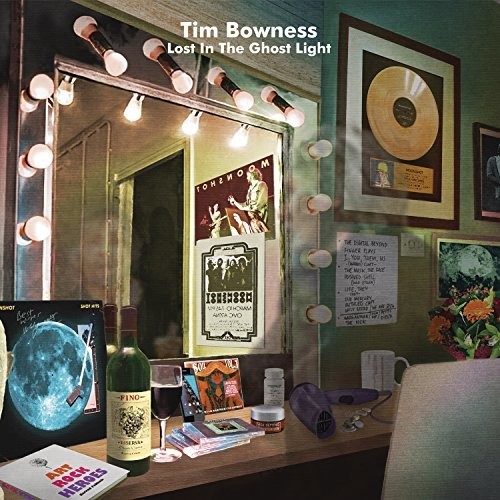
Limited deluxe CD/DVD mediabook edition. 2017 album from British vocalist Tim Bowness, best known for his work with No Man (which also features Steven Wilson). The album has been mixed and mastered by Wilson and is unlike any in Tim's back catalog. Bowness utilizes a core band comprising Stephen Bennett (Henry Fool), Colin Edwin (Porcupine Tree), Bruce Soord (The Pineapple Thief), Hux Nettermalm (Paatos) and Andrew Booker (Sanguine Hum), and is also joined by guests including Kit Watkins (Happy The Man/Camel), Steve Bingham (no-man) and the legendary Ian Anderson (Jethro Tull). Andrew Keeling (Robert Fripp/Hilliard Ensemble/Evelyn Glennie) arranges for string quartet and flute on three of the album's songs. Lost In The Ghost Light is a concept album revolving around the onstage and backstage reflections of a fictional 'classic' Rock musician in the twilight of his career. The album features some stunning solos and harmonically rich compositions that represent Bowness's most musically ambitious work to date. Lyrically, the album addresses how the era of streaming and ageing audiences affects creativity, how a life devoted to music impacts on real/family life, and how idealistic beginnings can become compromised by complacency and the fear of being replaced by younger, more vital artists.
Check out these titles

Rockstar
Dolly Parton
Mutemath
Mutemath

Earth Mother Earth
Jon Anderson
Hallo Spaceboy
David Bowie
Czarface Meets Frankie Pulitzer
Czarface
bones
Rainbow Kitten Surprise

Ben
Macklemore
Willoughby Tucker, I'll Always Love You
Ethel Cain
Age Of Winters
The Sword

GREENGREEN
Cortis

