
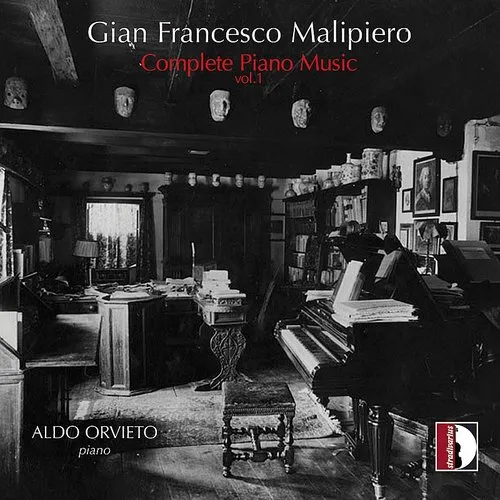
1
Bianchi E Neri: I. Lento, Non Troppo
2
Bianchi E Neri: II. Non Troppo Lento
3
Variazione Sulla Pantomima Dell' "Amor Brujo" Di Manuel De Falla
4
Hortus Conclusus: I. Mosso
5
Hortus Conclusus: II. Lento, Non Troppo
6
Hortus Conclusus: III. Allegro
7
Hortus Conclusus: IV. Andante
8
Hortus Conclusus: V. Tranquillo
9
Hortus Conclusus: VI. Lentamente, Ma Fluido
10
Hortus Conclusus: VII. Allegro Moderato
11
Hortus Conclusus: VIII. Quasi Variazioni, Tranquillo Ma Scorrevole, Mosso, Piuttosto Mosso
12
A Guido M. Gatti
13
Preludio E Fuga: I. Preludio
14
Preludio E Fuga: II. Fuga
15
Preludio, Ritmi E Canti Gregoriani: I. Preludio
16
Preludio, Ritmi E Canti Gregoriani: II. Ritmi. Allegro Molto Moderato
17
Preludio, Ritmi E Canti Gregoriani: III. Ritmi. Allegretto
18
Preludio, Ritmi E Canti Gregoriani: IV. Canti Gregoriani. Lento
19
Preludio, Ritmi E Canti Gregoriani: V. Canti Gregoriani. Allegro Moderato
20
Preludio, Ritmi E Canti Gregoriani: VI. Canti Gregoriani. Andante
21
Preludio, Ritmi E Canti Gregoriani: VII. Canti Gregoriani. Eroico
22
Epitaffio
23
Filomela E L'infatuato (Transcr. G.F. Malipiero For Solo Piano): Danza E Morte Dell'orso
24
Filomela E L'infatuato (Transcr. G.F. Malipiero For Solo Piano): Filomela In Arcadia
25
Impressioni: I. Una Processione A Mezzanotte, Da Un'acquaforte Di John Wright
26
Impressioni: II. Madrigale
27
Poemetti Lunari: I. Salmodiando, Gravemente
28
Poemetti Lunari: II. Mestamente, Ma Non Lento
29
Poemetti Lunari: III. Lugubre
30
Poemetti Lunari: IV. Presto
31
Poemetti Lunari: V. Mestamente, Quasi Senza Ritmo
32
Poemetti Lunari: VI. Molto Lento - Molto Più Mosso E Marcato
33
Poemetti Lunari: VII. Agitatissimo
Item UPC: 8011570371331
Date First Available:
Label: NAXOS
Complete Piano Music 1
Pick from
2 formats and editions
Starting at
CD
Unavailable
CD
Unavailable
ABOUT THE ALBUM
This collection of piano pieces by Gian Francesco Malipiero (Venice, 1882 - Treviso, 1973) almost seems to take us along a winding Venetian canal as we move through the moods of a composer who made the contamination between art and life the cornerstone of his existence. As he himself wrote in a letter to the French musicologist Henry Prunières in summer 1924: "My work is the barometer of my life". From the extreme perspective of Bianchi e neri (1964), the last of his piano works, all the way back to the Poemetti lunari (1909-10), perhaps one of the first characteristic expressions of his style, Malipiero's music explores the evocative possibilities of free and concise forms. His proclivity for a laconic style leads him to repudiate thematic elaboration in favor of short musical panels; a rambling flow more than a narrative evolution, timbric quality over ornamental virtuosity. Gino Gorini, the first great interpreter of Malipierian pianism, has well grasped the paradoxical game of antithesis that is at the core of Malipiero's invention when he speaks of a "discontinuous continuity, an unregulated rule". The result, however, is an imaginative and coherent world, one of the most original and unique of the first half of the twentieth century in Italy.
Check out these titles

A Million Knives
the Velveteers

son of dad
Stephen Wilson Jr.
After It Ends
Like Roses
Frozen Charlotte
Jack White
My 21st Century Symphony: Live At The Albert Hall - Clear Vinyl
Raye & the Heritage Orchestra

Live From the Los Angeles Sports Arena, April 26th, 1975
Pink Floyd

A-Meow-Zing Music
Gabby's Dollhouse: The Movie / O.S.T.

Not a Pretty Girl - 30th Anniversary
Ani DiFranco
The Dark
Chelsea Wolfe
Dizzy Up the Girl
Goo Goo Dolls