
1
Rent Party Blues
2
Paducah
3
Harlem Flat Blues
4
Hot Feet
5
Sloppy Joe
6
Stevedore Stomp
7
Cotton Club Stomp
8
Arabian Lover
9
Saratoga Swing
10
Jungle Jamboree
11
Snake Hip Dance
12
Jazz Convulsions
13
Duke Steps Out, The
14
Haunted Nights
15
Lazy Duke
16
Blues of the Vagabond
17
When You're Smiling
18
Maori
19
Double Check Stomp
20
Cotton Club Stomp
21
Jungle Nights in Harlem
22
Shout 'Em Aunt Tillie
23
Ring dem Bells
24
Old Man Blues
25
Big House Blues
Item UPC: 788065903626
Date First Available:
Label: JSP RECORDS
ABOUT THE ALBUM
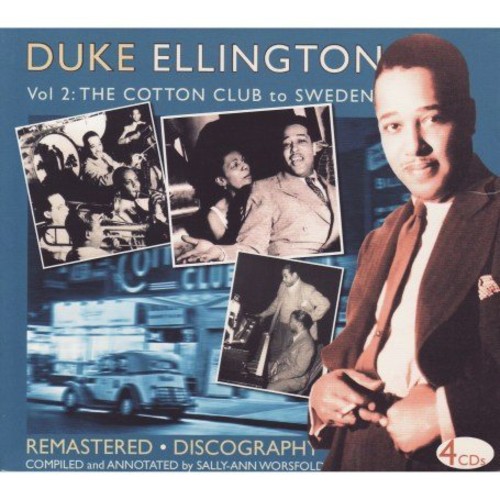
As well as the Duke's skills as pianist, composer and arranger, key sidemen, such as 'Bubber' Miley, Joe 'Tricky Sam' Nanton and Johnny Hodges were recognised as major jazz soloists. This collection spans March 1929 to February 1940, a key period for jazz in general and Ellington in particular. We concentrate on the orchestra's performances, mainly instrumental, along with some featuring singer Ivie Anderson. In late 1929, there had been a major change: Bubber Miley had gone. In his place came 'Cootie' Williams, a powerful blues player in his own right. In July 1929, the Ellington Orchestra provided the music for a Ziegfeld revue, 'Showgirl', which featured the debut of George Gershwin's, An American In Paris. The revue quickly closed, panned by critics. Ziegfeld said of Duke's contribution, "... The finest exponents of syncopated music in existence. Irving Berlin went mad about them and some of the best exponents of modern music who have heard them almost jumped out of their seats with excitement over their extraordinary harmonies and exciting rhythms." Shortly after 'Showgirl' closed, the Ellington Orchestra made it's screen debut in 'Black And Tan Fantasy', a short film. A year later, the band spent their summer break in Hollywood, filming 'Check And Double Checks' featuring radio stars Amos 'n' Andy, character's played by two white actors who appeared in blackface. The best thing about the film was the number Double Check Stomps heard here in the studio version. In February 1931, Ellington left the Cotton Club. No longer restricted to serving the club's floorshows, Ellington could explore wider musical horizons. Recorded in two parts and released as a double-sided 12 inch 78 rpm disc, Creole Rhapsody, from June 1931, represented his most ambitious work to date. From 1943 until 1948, the Ellington Band performed annually at Carnegie Hall - confirmation, if any were needed, that the Duke and his band had reached the pinnacle of showbiz success
Check out these titles
Happier Now
Movements
Deadbeat
Tame Impala
Marrow Deep
Mastodon
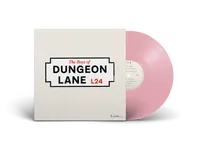
The Boys of Dungeon Lane
Paul McCartney
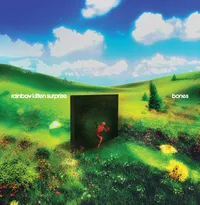
bones
Rainbow Kitten Surprise
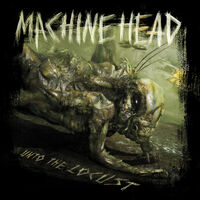
Unto The Locust Reissue (15th anniversary)
Machine Head

Earth Mother Earth
Jon Anderson
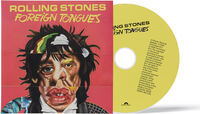
Foreign Tongues
The Rolling Stones
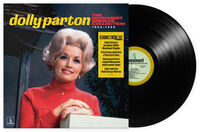
The Monument Singles Collection 1964-1968
Dolly Parton
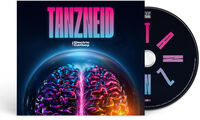
TANZNEID
Electric Callboy

