
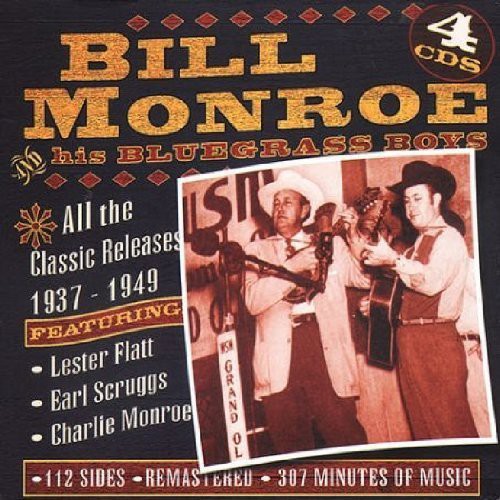
1
My Long Journey Home
2
What Is Home Without Love
3
What Would You Give in Exchange?
4
Little Red Shoes
5
Nine Pound Hammer Is Too Heavy
6
On Some Foggy Mountain Top
7
Drifting Too Far From the Shore
8
In My Dear Old Southern Home
9
New River Train
10
This World Is Not My Home
11
Watermelon Hangin' on the Vine
12
On the Banks of the Ohio
13
Do You Call That Religion?
14
God Holds the Future in His Hands
15
You've Got to Walk That Lonesome Valley
16
Six Months Ain't Long
17
Just a Song of Old Kentucky
18
Don't Forget Me
19
I'm Going
20
Darling Corey
21
My Savior's Train
22
I Am Thinking Tonight of the Old Folks
23
Dreamed I Searched Heaven For You
24
Old Cross Road, The
25
Forgotten Soldier Boy, The
26
We Read of a Place That's Called Heaven
27
Will the Circle Be Unbroken
28
Saints Go Marching In
29
Roll in My Sweet Baby's Arms
30
Where Is My Sailor Boy
Item UPC: 788065771225
Date First Available:
Label: JSP RECORDS
ABOUT THE ALBUM
Born in 1911 on a Kentucky farm, Bill Monroe was the youngest of eight. The three youngest brothers formed a trio, Birch on fiddle, Charlie on guitar and Bill on mandolin. Bill made quick progress. He quit school aged 11. By 14 he was a full time heavy wagon driver. And he was getting experience in local dance bands. In 1927, Birch and Charlie left for Detroit to find work. They made extra cash by playing for fellow southerners. In 1929 they got Bill a job with their company. In 1932, the brothers joined the WLS Barn Dance as dancers. They revealed their musical skills and were soon radio regulars. In 1933, Charlie was offered a spot on the Texas Crystals radio show, broadcast from Shenandoah, Iowa. Bill went too. Despite it's success, Texas Crystals axed the show in 1936. The Monroes moved to Crazy Crystals. A hectic round of radio and dances ensued. They were signed to Victor's Bluebird label. The ten sides recorded at their first session were probably part of their radio set - nearly all were 'one-take' cuts. Of the ten sides, What Would You Give In Exchange For Your Soul was a huge hit. Regular recording dates became part of the schedule. Monroe product was released every four weeks. But in 1937 Bill and Charlie, mutually hostile in spite of their success, split. Bill gained a slot on a small radio station in North Carolina. The band he created - the Bluegrass Boys - generated a buzz on radio and at dances. Finally Bluebird signed him. The records he made justified their confidence. The wartime recording ban didn't hinder Bill's fame - he made regular Opry appearances - and in 1945 he was back in the studio. The 1946 and 1947 line-ups, with Flatt & Scruggs in the band, are exceptional. In the 1960s, after a slip in popularity, the folk revival helped him re-establish his leading status. During his life he celebrated 50 years on the Grand Ole Opry, performed at the White House and worked almost to the last. He died in 1996.
Check out these titles

Ben
Macklemore

Hallo Spaceboy
David Bowie
The Monument Singles Collection 1964-1968
Dolly Parton

Reflections
From Ashes to New
Rumble in Brixton
Stray Cats
Mutemath
Mutemath

Embers to Ashes
Everlast

Danger Days: The True Lives of the Fabulous Killjoys - Deluxe Edition
My Chemical Romance
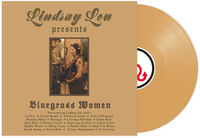
Bluegrass Women
Lindsay Lou
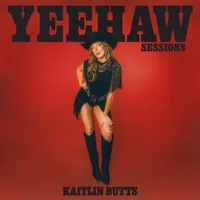
Yeehaw Sessions
Kaitlin Butts

