
1
Das Weltgericht, Op. 46, Teil 1 "Der Tod": No. 1, Einleitung
2
Das Weltgericht, Op. 46, Teil 1 "Der Tod": No. 2, Heilig, Der Da Ist Und Der Da War
3
Das Weltgericht, Op. 46, Teil 1 "Der Tod": No. 3, Ein Tag Ist Ihm Wie Tausend Jahr
4
Das Weltgericht, Op. 46, Teil 1 "Der Tod": No. 4, Verworfne, Schweigt
5
Das Weltgericht, Op. 46, Teil 1 "Der Tod": No. 5, Wehe! Sie Sind Verloren
6
Das Weltgericht, Op. 46, Teil 1 "Der Tod": No. 6, Verfolgt Von Feindes Hass Und Spott
7
Das Weltgericht, Op. 46, Teil 1 "Der Tod": No. 7, Bald Naht Sein Bote
8
Das Weltgericht, Op. 46, Teil 1 "Der Tod": No. 8, Fort, Sklaven, Tragt Der Sieger Ketten
9
Das Weltgericht, Op. 46, Teil 1 "Der Tod": No. 9, Heil! Die Auf Ihn Vertrauen
10
Das Weltgericht, Op. 46, Teil 1 "Der Tod": No. 10, Halleluja
11
Das Weltgericht, Op. 46, Teil 2 "Die Auferstehung": No. 11, Feierlich, Voll Ernster Wonne
12
Das Weltgericht, Op. 46, Teil 2 "Die Auferstehung": No. 12, Der Posaune Hall Wird Tönen
13
Das Weltgericht, Op. 46, Teil 2 "Die Auferstehung": No. 13, Triumpf
14
Das Weltgericht, Op. 46, Teil 2 "Die Auferstehung": No. 14, Auch Die Das Meer Verborgen
15
Das Weltgericht, Op. 46, Teil 2 "Die Auferstehung": No. 15, Heil Uns, Heil Wir Sehn Euch Wieder"
16
Das Weltgericht, Op. 46, Teil 2 "Die Auferstehung": No. 16, Leicht Ist Das Grab Dem Frommen
17
Das Weltgericht, Op. 46, Teil 2 "Die Auferstehung": No. 17, Barmherzig Ist Der Herr Und Gnädig
Item UPC: 761203511921
Date First Available:
Label: CPO RECORDS
ABOUT THE ALBUM
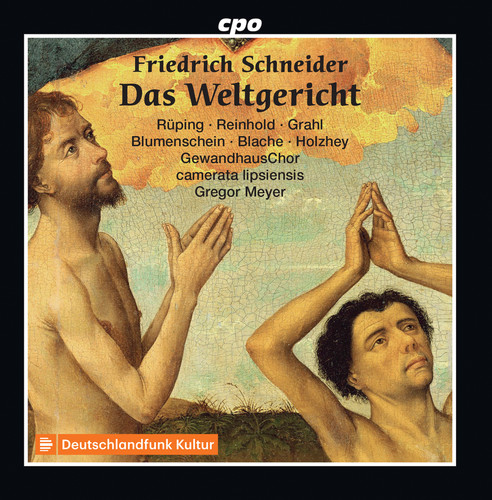
A magnificent oratorio, long forgotten, has been rediscovered in Leipzig. Gregor Meyer conducts the Gewandhaus Chorus and the camerata lipsiensis in Friedrich Schneider's Das Weltgericht. The composer, pianist, organist, and Anhalt-Dessau court music director Friedrich Schneider was one of the most creative and productive minds in the Central German music world during the first half of the nineteenth century but today is unfortunately a forgotten man. Das Weltgericht was once one of the most famous German oratorios, inspired euphoric headlines everywhere when it was first composed, and occasioned genuine storms of enthusiasm among concertgoers. The libretto is by August Apel, who based his text on the biblical accounts of the Last Judgment in Matthew 24-25 and the Revelation of John. A plot in the strict sense is not narrated; rather, the persons are biblical messengers who tell us of heaven, hell, and earth. This oratorio situated between classicism and romanticism was often performed but then was forgotten for many decades. The conductor Gregor Meyer wants to stimulate a new discussion about the oeuvre of Friedrich Schneider, who once lived and worked in Leipzig. A critical edition of the source materials will assist him in this project.
Check out these titles

Trespasser
Grace Potter
Live From the Los Angeles Sports Arena, April 26th, 1975
Pink Floyd
Age Of Winters
The Sword

Rockstar
Dolly Parton

Yearning: The Unbeautiful After
Boundaries
hara-kiri(Deluxe) -
honestav

Born to Kill
Social Distortion
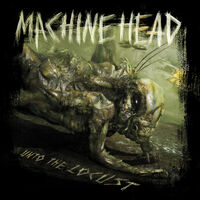
Unto The Locust Reissue (15th anniversary)
Machine Head
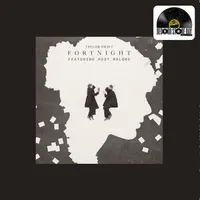
Fortnight
Taylor Swift
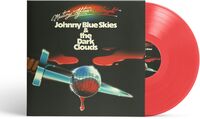
Mutiny After Midnight
Johnny Blue Skies & the Dark Clouds

