
1
Ouverture
2
Pigmalion : Fatal Amour
3
CacPhise : Pigmalion, Est-Il Possible
4
Pigmalion : Que D'appas!
5
La Statue S'anime - Pigmalion : Quel Prodige!
6
L'amour : Du Pouvoir de L'amour
7
Les GraøCes Instruisent la Statue
8
Tambourin... Choeurdes Peuples: CacDons, CacDons A Notre Impatience
9
Pigmalion/Choeur: L'amour Triomphe
10
Pantomme - Deuxia"Me Pantomime
11
Pigmalion: Ra"Gne, Amour
12
Air Gracieux - Ballet GacNacRal
13
Air Gay
14
Trajan : Ces Oiseaux Par Leur Doux Ramage
15
Air Gay
16
Deus Noster Refugium
17
Proptera Non Timebimus
18
Sonuerunt Et Turbatae Sunt
19
Fluminis Impetus
20
Deus in Medio Ejus
21
Conturbate Sunt Gentes
22
Dominus Virtutum Nobiscum
23
Venite Et Videte Opera Domini
24
Arcum Conteret
25
Dominus Virtutum Nobiscum
26
Quam Dilecta Tabernacula Tua
27
Cor Meum Et Caro Mea
28
Et Enim Passer Invenit Sibi Domum
29
Altaria Tua
30
Beati Qui Habitant in Domo Tua
31
Domine, Deus Virtutum
32
Domine, Virtutum, Beatus Homo
33
In Convertendo Dominus
34
Tunc Repletum Est Gaudio Nostrum
35
Magnificavit Dominus Facere Nobiscum
36
Converte, Domine, Captivatem Nostram
37
Laudate Nomen Dei Cum Cantico
38
Qui Seminant in Lacrimis
39
Euntes Ibant Et Flebant
Item UPC: 5099952202728
Date First Available:
Label: ERATO
ABOUT THE ALBUM
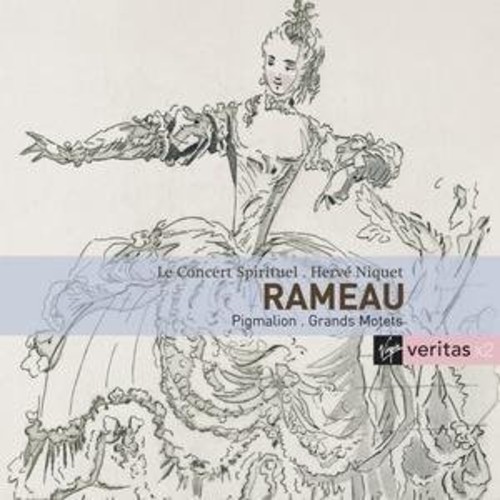
Rameau: Pigmalion, Les Grands Motets / Niquet, Fouchécourt, de Reyghere, Piau, Gens, Composer: Jean-Philippe Rameau, Performer: Sandrine Piau, Véronique Gens, Nicole Fournié, Jean-Paul Fouchécourt, Conductor: Hervé Niquet, Orchestra/Ensemble: Le Concert Spirituel, Number of Discs: 2. The contents of both these discs were recorded in 1992 and issued separately towards the end of the decade in the U.S. This is their first reissue and this release should draw attention once more to some truly impressive performances. Any performance of Pigmalion rises and falls by the talent of it's eponymous hero, for it's three female roles are minor. Fortunately, Jean-Paul Fouchécourt was engaged for the part. He has sometimes been described as an haute-contre, though the meaning of the term has been hotly debated of late. Suffice to say that if it refers to a high tenor voice employing no falsetto, and used to convey an emotional range from sweetly lyrical to brightly heroic in French music, then Fouchécourt fits the bill. He excels equally in the expansive vigor of "L'Amour triomphe," as well as the delicate but elaborate coloratura of "Règne, Amour." Niquet cuts him no slack, setting a daunting pace for the latter, but Fouchécourt easily triumphs. The sound quality is excellent, however, spacious yet close enough to really catch the voices and instrumentals well.
Check out these titles
I'm Ready
Tevin Campbell
Live At Easy Street Records Vol II
Brandi Carlile
A Holly Dolly Christmas
Dolly Parton
Womack Sisters
Womack Sisters
The Monument Singles Collection 1964-1968
Dolly Parton
Happier Now
Movements
Growth
Olivia Dean
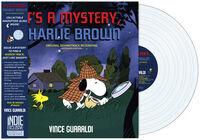
It's a Mystery, Charlie Brown
Vince Guaraldi

Reflections
From Ashes to New

After The Astronaut
Butthole Surfers

