

1
15 Inventions-Invention 1 in C Major, BWV 772
2
15 Inventions-Invention 2 in C minor, BWV 773
3
15 Inventions-Invention 3 in D Major, BWV 774
4
15 Inventions-Invention 4 in D minor, BWV 775
5
15 Inventions-Invention 5 in E-Flat Major, BWV 776
6
15 Inventions-Invention 6 in E Major, BWV 777
7
15 Inventions-Invention 7 in E minor, BWV 778
8
15 Inventions-Invention 8 in F Major, BWV 779
9
15 Inventions-Invention 9 in F minor, BWV 780
10
15 Inventions-Invention 10 in G Major, BWV 781
11
15 Inventions-Invention 11 in G minor, BWV 782
12
15 Inventions-Invention 12 in a Major, BWV 783
13
15 Inventions-Invention 13 in a Minor, BWV 784
14
15 Inventions-Invention 14 in B-Flat Major, BWV 785
15
15 Inventions-Invention 15 in B minor, BWV 786
16
15 Sinfonias-Sinfonia 1 in C Major, BWV 787
17
15 Sinfonias-Sinfonia 2 in C minor, BWV 788
18
15 Sinfonias-Sinfonia 3 in D Major, BWV 789
19
15 Sinfonias-Sinfonia 4 in D minor, BWV 790
20
15 Sinfonias-Sinfonia 5 in E-Flat Major, BWV 791
21
15 Sinfonias-Sinfonia 6 in E Major, BWV 792
22
15 Sinfonias-Sinfonia 7 in E minor, BWV 793
23
15 Sinfonias-Sinfonia 8 in F Major, BWV 794
24
15 Sinfonias-Sinfonia 9 in F minor, BWV 795
25
15 Sinfonias-Sinfonia 10 in G Major, BWV 796
26
15 Sinfonias-Sinfonia 11 in G minor, BWV 797
27
15 Sinfonias-Sinfonia 12 in a Major, BWV 798
28
15 Sinfonias-Sinfonia 13 in a Minor, BWV 799
29
15 Sinfonias-Sinfonia 14 in B-Flat Major, BWV 800
30
15 Sinfonias-Sinfonia 15 in B minor, BWV 801
31
Invention 1 in C Major, BWV 772A
32
Sinfonia 3 in D Major, BWV 789, Embellished Version
33
Sinfonia 4 in D minor, BWV 790, Embellished Version
34
Sinfonia 7 in E minor, BWV 793, Embellished Version
35
Sinfonia 9 in F minor, BWV 795, Embellished Version
36
Sinfonia 11 in G minor, BWV 797, Embellished Version
37
Sinfonia 13 in a Minor, BWV 799, Embellished Version
Item UPC: 5063758103275
Date First Available:
Label: PIANO CLASSICS
ABOUT THE ALBUM
The latest volume in an ongoing series by an acclaimed Bach specialist on the modern piano.With recordings of the French Suites, Partitas and Goldberg Variations on Piano Classics, the Chinese pianist Yuan Sheng has placed himself among the most searching of present-day Bach pianists. As Jed Distler remarked in Gramophone, reviewing the Goldbergs, 'Yuan Sheng's disciplined, scrupulously terraced style often reflects his mentor Rosalyn Tureck.'In a new and illuminating booklet essay for this album, the musicologist and pianist Raymond Erickson remarks that the 15 two-part Inventions and the 15 three-part Sinfonias played an important role in Bach's teaching. These pieces, although today mainly associated with basic piano training, are not at all easy and in fact are sophisticated, small-scale masterpieces. 'They were not composed simply to provide technical training in keyboard playing but, perhaps more important, to teach keyboard players how to compose.'In 1720 Bach's oldest son Wilhelm Friedemann (1710-84) was already of an age appropriate for introducing him into the family trade of musician. So Bach started for him a music notebook: a Clavierbuchlein which included these Inventions and Sinfonias. Bach revised them shortly before moving to Leipzig in the spring of 1720, to take up his new post as Thomaskantor, and copied them out with a preface. In learning and playing these works, Bach affirmed, a diligent student would be taught 'a clear manner for playing not only in two voices but also in three obbligato parts and, furthermore, not only how to invent good musical ideas [inventiones] but also how to develop these well. And above all, how to achieve a cantabile manner of playing, and additionally to obtain a strong foretaste of Composition.'So it is that the Inventions and Sinfonias have given much pleasure to both performers and listeners throughout the subsequent two centuries. Brief as they are, each one of these 30 works elegantly outlines a distinct and often playful world of it's own. They reward intensive listening both on their own and in sequence. And Yuan Sheng's performances draw on all the coloristic possibilities and varieties of articulation available on the modern piano, without seeking to exceed the bounds of style which the works themselves inhabit.
Check out these titles

The Movie, The Soundtrack, The Reformatted Edition
Transformers

Sling - 5 Year Anniversary
Clairo
son of dad
Stephen Wilson Jr.
After The Astronaut
Butthole Surfers
Reflections
From Ashes to New
Mutiny After Midnight
Johnny Blue Skies & the Dark Clouds

Who's That Girl (Super Club Mix)
Madonna
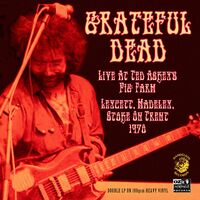
Live At Ted Askey's Pig Farm 1970
Grateful Dead
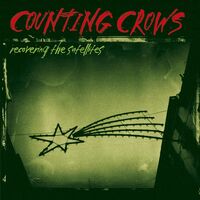
Recovering the Satellites
Counting Crows
Live At Easy Street Records Vol II
Brandi Carlile

