
1
Piano Trio No. 1 In F Major, Op. 18: I. Allegro Vivace
2
Piano Trio No. 1 In F Major, Op. 18: II. Andante
3
Piano Trio No. 1 In F Major, Op. 18: III. Scherzo: Presto
4
Piano Trio No. 1 In F Major, Op. 18: IV. Allegro
5
Piano Trio No. 2 In E Minor, Op. 92: I. Allegro Ma Non Troppo
6
Piano Trio No. 2 In E Minor, Op. 92: II. Allegretto
7
Piano Trio No. 2 In E Minor, Op. 92: III. Andante Con Moto
8
Piano Trio No. 2 In E Minor, Op. 92: IV. Grazioso, Poco Allegro
9
Piano Trio No. 2 In E Minor, Op. 92: V. Allegro
10
La Muse Et Le Poète, Op. 132
Item UPC: 5060212591463
Date First Available:
Label: CHHI
Gould Piano Trio
Pick from
2 formats and editions
Starting at
CD
Unavailable
CD
Unavailable
ABOUT THE ALBUM
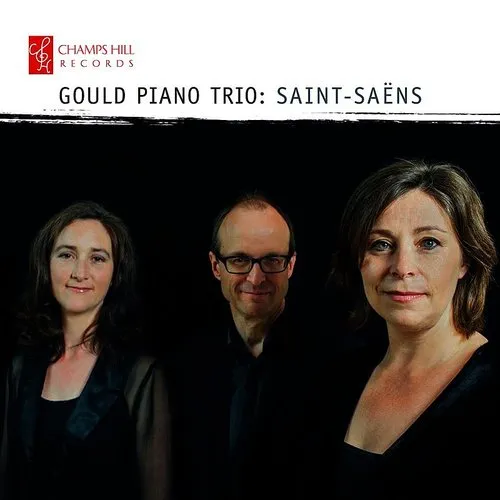
Internationally acclaimed Gould Piano Trio bring their artistry to trios by Saint-Saens, and his little known La Muse et le poete on this new recording for Champs Hill. Thirty years separate his Piano Trios Nos 1 & 2, although the first is by no means an immature work- the composer was 28, with two symphonies and violin concertos behind him, and his virtuosity as a pianist shines through right from the opening Allegro. His second trio, composed once he had achieved international fame and experienced marriage breakdown and the loss of his beloved mother, seems more serious in tone and, it could be argued, reflects this. Although Saint-Saens himself cautioned strongly against the incorporation of subjective emotions into music saying "Art is intended to create beauty and character, feeling only comes afterwards and art can very well do without it. In fact, it is very much better off when it does." Benjamin Fith, pianist, writes in his introduction to the album: "He was ahead of his time in authentic performance practice habits and an understanding of the classical repertoire, far exceeding that of most of his romantic contemporaries. Saint-Saens' very long life took him through the Romantic period well into the age of Debussy and early Stravinsky. Out of kilter with the latter era, for many years he had the reputation of a musical reactionary. Today, however, we can view him with more historical perspective."
Check out these titles
Comes In Waves
Carly Simon
Confessions II
Madonna
The Age of Everything
Johnny Marr
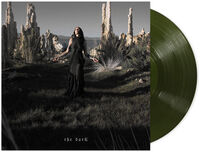
The Dark
Chelsea Wolfe
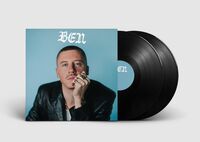
Ben
Macklemore
hara-kiri(Deluxe) -
honestav
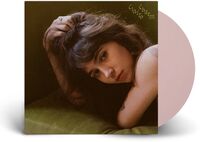
Charm
Clairo
I'm So Happy
Ms. Rachel
Lost Weekend
Phoebe Bridgers
Stadium Arcadium: 20th Anniversary Limited Edition
Red Hot Chili Peppers

