

1
Serenade in G Major I: Allegro
2
Serenade in G Major II: Romanze (Andante)
3
Serenade in G Major III: Minuet (Allegretto) and Trio
4
Serenade in G Major IV: Rondo (Allegro)
5
Concerto Grosso in A minor I: Larghetto Affettuoso
6
Concerto Grosso in A minor II: Allegro
7
Concerto Grosso in A minor III: Largo
8
Concerto Grosso in A minor IV: Allegro
9
Symphony No.25 in G minor I: Allegro Con Brio 1
10
Symphony No.25 in G minor II: Andante 1
11
Symphony No.25 in G minor III: Minuet and Trio 1
12
Symphony No.25 in G minor IV: Allegro
Item UPC: 5050457821524
Date First Available:
Label: IMPORTS
ABOUT THE ALBUM
Eine kleine Nachtmusik - 'A Little Night-music' is a beguiling title for a piece of music, and one that even a publisher could not have improved upon. The Serenade, scored for first and second violins, violas, cellos and double basses, begins with a lively Allegro, introduced by an opening fanfare in unison, and with a second subject formed out of some lovely phrases, one of which comes into the brief "development" section. Symphony No. 25 - Up to the middle of 1773 Mozart had modeled the majority of his symphonies on the three-movement Italian operati sinfonia. During a stay in Vienna in 1773 he was able to hear some of the latest Viennese symphonies, and when he returned to home he produced three symphonies (No. 25 in G minor, No. 28 in C and No. 29 in A) that, besides being more mature in musical content than any of their predecessors, are unequivocally cast in the weightier, four-movement form adopted by Haydn and his Viennese contemporaries. The G minor Symphony is the most striking of the three, not least because of it's remarkable affinity with Mozart's only other minor-key symphony - the great G minor of 1788 (No. 40).
Check out these titles

Rockstar
Dolly Parton

Mutiny After Midnight
Johnny Blue Skies & the Dark Clouds

Daughter From Hell
Gracie Abrams

Growth
Olivia Dean
GREENGREEN
Cortis

Age Of Winters
The Sword
Fortnight
Taylor Swift
Robin Trower Live 50th Anniversary Edition
Robin Trower
Look Outside Your Window
Look Outside Your Window
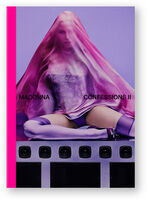
Confessions II
Madonna

