
1
Quatrième Suite In A Minor, Op. 1: I. Lentement
2
Quatrième Suite In A Minor, Op. 1: II. Courante
3
Quatrième Suite In A Minor, Op. 1: III. Air En Musette. Gracieusement
4
Quatrième Suite In A Minor, Op. 1: IV. Gavotte
5
Quatrième Suite In A Minor, Op. 1: V. Siciliene. Très Lentement
6
Quatrième Suite In A Minor, Op. 1: VI. Paysanne. Gayment
7
Première Suite In G Minor, Op. 1: I. Très Lentement
8
Première Suite In G Minor, Op. 1: II. Rigaudon En Rondeau
9
Première Suite In G Minor, Op. 1: III. Courante En Contrefaiseur
10
Première Suite In G Minor, Op. 1: IV. Fugue
11
Cinquième Suite In E Minor, Op. 1: I. Très Lentement
12
Cinquième Suite In E Minor, Op. 1: II. Allemande
13
Cinquième Suite In E Minor, Op. 1: III. Sarabande. Très Tendrement - Un Peu Plus Gay, Et Piqué -Mouvement O
14
Cinquième Suite In E Minor, Op. 1: IV. Gigue. Gayment
15
Deuxième Suite In G Major, Op. 1: I. Fugue
16
Deuxième Suite In G Major, Op. 1: II. Air En Rondeau. Gayment
17
Deuxième Suite In G Major, Op. 1: III. Sarabande. Très Proprement
18
Deuxième Suite In G Major, Op. 1: IV. Fugue
19
Sixième Suite In B Minor, Op. 1: I. Lentement
20
Sixième Suite In B Minor, Op. 1: II. Gavotte. Gayment, Et Gracieusement
21
Sixième Suite In B Minor, Op. 1: III. Sarabande. Lentement
22
Sixième Suite In B Minor, Op. 1: IV. Rigaudon
23
Sixième Suite In B Minor, Op. 1: V. Gigue. Gayment
24
Troisième Suite In In D Major, Op. 1: I. Lentement
25
Troisième Suite In In D Major, Op. 1: II. Fugue
26
Troisième Suite In In D Major, Op. 1: III. Rondeau
27
Troisième Suite In In D Major, Op. 1: IV. Chaconne
28
Neuvième Suite, Op. 2: I. Lentement
29
Neuvième Suite, Op. 2: II. Courante. Affetueusement
30
Neuvième Suite, Op. 2: III. Rigaudon En Rondeau
31
Neuvième Suite, Op. 2: IV. Gigue
32
Neuvième Suite, Op. 2: V. Fugue
33
Septième Suite, Op. 2: I. Sarabande. Très Proprement
34
Septième Suite, Op. 2: II. Allemande. Lentement
35
Septième Suite, Op. 2: III. Gayment
36
Septième Suite, Op. 2: IV. Rondeau. Légèrement Et Affectueusement
37
Dixième Suite, Op. 2: I. Sarabande. Lentement, Et Très Proprement
38
Dixième Suite, Op. 2: II. Premier & Deuxiéme Rondeau. Gayment. Tendrement
39
Dixième Suite, Op. 2: III. Gigue. La Coquette
40
Dixième Suite, Op. 2: IV. Badine
41
Huitième Suite, Op. 2: I. Affectueusement
42
Huitième Suite, Op. 2: II. Fugue. Gayement, Et Point Trop Viste
43
Huitième Suite, Op. 2: III. Lentement, Garcieusement & Piqué
44
Huitième Suite, Op. 2: IV. Allemande
45
Onzième Suite, Op. 3: I. Rondeau En Contrefaiseurs. Lentement
46
Onzième Suite, Op. 3: II. Allemande. Un Peu Gay
47
Onzième Suite, Op. 3: III. Air En Sarabande. Tendrement
48
Onzième Suite, Op. 3: IV. Gavotte
49
Onzième Suite, Op. 3: V. Fugue. Pas Trop Viste
50
Douzième Suite, Op. 3: I. Prelude. Très Lentement
51
Douzième Suite, Op. 3: II. Allemande. Pas Trop Viste
52
Douzième Suite, Op. 3: III. Sarabande. Très Proprement
53
Douzième Suite, Op. 3: IV. La Parisienne. Très Legerement
54
Douzième Suite, Op. 3: V. Chaconne
Item UPC: 5028421960326
Date First Available:
Label: BRILLIANT CLASSICS
ABOUT THE ALBUM
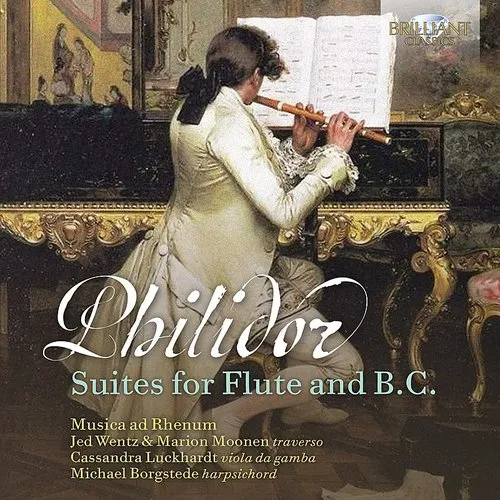
The Philidor musical dynasty begins with André Danican Philidor (1652-1730), a musician and composer who played in many of Lully's productions. Among several musical younger relations, Pierre Danican Philidor (1681-1731) was one of the most talented: a wind player like his uncle André but also a violist. In this capacity he joined the chamber du roi of the infant King Louis XV in 1715, where his colleagues included François Couperin and Marin Marais. Little of Pierre's music survives beyond these 12 suites, which were published in Paris in 1717 and 1718. Yet as he explains in his booklet introduction, Jed Wentz esteems them alongside the chamber music of Couperin and Marais, among the most significant precursors to the more florid output of the following generation exemplified by Michel Blavet and Jean Daniel Braun (who have also been the subject of critically acclaimed albums by Musica ad Rhenum). Philidor's sophisticated harmonies compare favourably with the plainer, less adventurous rhetoric of the better-known Hotteterre and de la Barre. If the artistic quarrels which took place at Louis' court fiercely debated the value of Italian style as a cultural import, Philidor's suites seem calculated to argue the case for the defence of native taste and values. The gentle spirit, highly wrought textures and manneristic elegance embody received ideas of French music, then and now. These ideas are understood and communicated with native fluency by the Dutch-based early music ensemble Musica ad Rhenum, who have made a specialty of lesser known music from the 18th-century French courts.
Check out these titles

GREENGREEN
Cortis

Recovering the Satellites
Counting Crows

SURFILMUSIC (Soundtrack & 4-Tracks)
Jack Johnson

Foreign Tongues
The Rolling Stones

Rockstar
Dolly Parton

Maggot Brain - 2026 Reissue
Funkadelic

Jolene
Dolly Parton
Happier Now
Movements

Marrow Deep
Mastodon
Confessions II
Madonna

