
1
4 Lancier - Quadrilles, Wab 120: I. Quadrille
2
4 Lancier - Quadrilles, Wab 120: II. Quadrille. Allegro
3
4 Lancier - Quadrilles, Wab 120: III. Quadrille. Allegro
4
4 Lancier - Quadrilles, Wab 120: IV. Quadrille. Allegro
5
Steiermärker In G Major, Wab 122
6
Klavierstück In E-Flat Major, Wab 119
7
Sonata In G Minor, Wab 245
8
Tema E Variazioni In G Major
9
Andante In D Minor
10
Andante In E-Flat Major
11
Marcia In D Minor
12
Studio I In G Major
13
Studio II Cromatico In F Major
14
Fantasia No. 1 In D Minor
15
Fantasia No. 2 In C Minor. Langsam
16
Fantasia No. 3 In E-Flat Major
17
Fantasia No. 4 In F Major. Langsam
18
Mazurka In A Minor
19
Stille Betrachtung An Einem Herbstabend In F-Sharp Minor, Wab 123
20
Fantasia In G Major, Wab 118: I. Langsam Un Mit Gefühl. II. Allegro
21
Erinnerung In E-Flat Major, Wab 117: I. Langsam, Innig
22
Valzer In C Major
23
Valzer In E-Flat Major
24
Polka In C Major
25
Minuetto In G Major
26
Minuetto In C Major
27
Esercizio In C Major
28
Duo In A Minor
29
Tema In F Major
30
Due Periodi Musicali In C Major
31
Marcia In C Major
Item UPC: 5028421956190
Date First Available:
Label: BRLT
ABOUT THE ALBUM
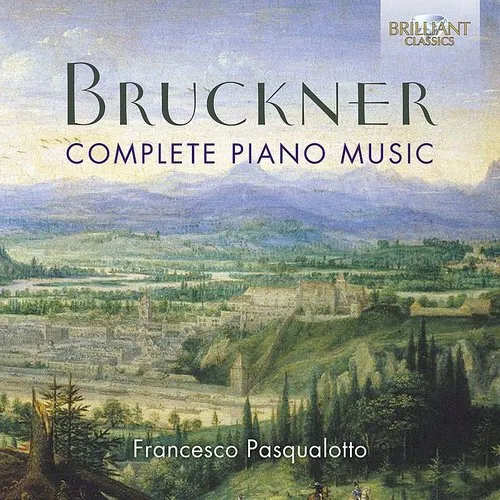
You might expect that such music as Bruckner wrote for the piano was composed early in his career, which only took off in his forties after prolonged periods of study and personal setbacks. This is true to an extent: dating from 1850 - when Bruckner was already 26 years old - the earliest piece here is a Steiermärker, an Austrian dance of homely charm, and a quartet of lively quadrilles. But the bulk of his piano output dates from 1862, when Bruckner was on the verge of composing his first (unnumbered) symphony, but with a substantial catalogue of sacred music behind him. Incense clouds and mountain vistas have no place here. There are several catchy polkas, minuets and waltzes: contrary to popular understanding, Bruckner was a keen and accomplished dancer, whose awkward manner in conversation was belied by his fine sense of rhythm. Some pieces here are more substantial: a seven-minute Sonata, for example, and poetic gems, full of intense feeling and personal reflections, such as Erinnerung and Stille Betrachtung an einem Herbstabend. A D minor March even seems to herald various passages in his later symphonies, where the brass was to play such an important role. It's a winning collection that should surprise and delight anyone who thought exclusively of Bruckner as a composer of symphonic boa constrictors. The album is thoroughly annotated by it's performer, Francesco Pasqualotto, who has dedicated himself to this under-rated corner of romantic piano repertoire with both enthusiasm and a technique refined by extensive performances of the more renowned piano music of Beethoven and György Ligeti.
Check out these titles
The Wind
Warren Zevon
Music, Fashion, Film
Charli XCX
Elizabeth Taylor
Taylor Swift
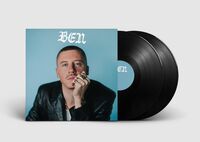
Ben
Macklemore
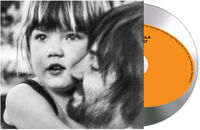
Deadbeat
Tame Impala
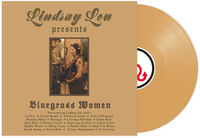
Bluegrass Women
Lindsay Lou
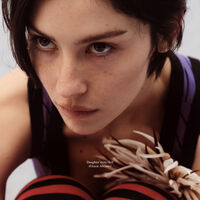
Daughter From Hell
Gracie Abrams

Rockstar
Dolly Parton
petal
Ariana Grande
Adam
Adam Lambert

