
1
Beethoven, Ludwig Van - Classical Composer
2
Egmont, Op. 84: Overture
3
Symphony No. 3 in E-Flat Major, Op. 55, "Eroica"
4
I. Allegro Con Brio
5
II. Marcia Funebre: Adagio Assai
6
III. Scherzo: Allegro Vivace
7
IV. Finale: Allegro Molto
8
Symphony No. 1 in C minor, Op. 68
9
I. Un Poco Sostenuto - Allegro
10
II. Andante Sostenuto
11
III. Un Poco Allegretto E Grazioso
12
IV. Adagio - Più Andante - Allegro Non Troppo, Ma Con Brio
13
21 Hungarian Dances, Woo 1 (Version for Orchestra) (Excerpts)
14
Hungarian Dance No. 1 in G minor (Orch. J. Brahms)
15
Hungarian Dance No. 3 in F Major (Orch. J. Brahms)
16
Hungarian Dance No. 4 in F minor (Orch. P. Juon)
17
Hungarian Dance No. 5 in F-Sharp minor (Orch. A. Parlow)
18
Symphony No. 4 in E-Flat Major, Wab 104, "Romantic" (1886 Version, Ed. L. Nowak)
19
I. Bewegt, Nicht Zu Schnell
20
II. Andante Quasi Allegretto
21
III. Scherzo: Bewegt
22
IV. Finale: Bewegt, Doch Nicht Zu Schnell
23
Symphonie Fantastique, Op. 14
24
I. Rêveries: Largo - Passions: Allegro Agitato E Appassionato Assai
25
II. Un Bal (Valse): Allegro Non Troppo
26
III. Scène Aux Champs: Adagio
27
IV. Marche Au Supplice: Allegretto Non Troppo
28
V. Songe D'une Nuit Du Sabbat: Larghetto - Allegro
29
La Damnation de Faust, Op. 24, Part II: Scene 7: Ballet Des Sylphes (Dance of the Spirits)
30
La Damnation de Faust, Op. 24, Part I: Hungarian March, "Rákóczy March"
31
Daphnis Et Chloé Suite No. 2
32
La Valse (Version for Orchestra)
33
Symphony in C Major
34
I. Allegro Vivo
35
II. Adagio
36
III. Allegro Vivace
37
IV. Allegro Vivace
38
Symphony No. 9 in E minor, Op. 95, B. 178, "From the New World"
39
I. Adagio - Allegro Molto
40
II. Largo
41
III. Scherzo: Molto Vivace
42
IV. Allegro Con Fuoco
43
Totenfeier
44
Fontane Di Roma (Fountains of Rome), P. 106
45
I. La Fontana Di Valle Giulia All'alba
46
II. La Fontana Del Tritone Al Mattino
47
III. La Fontana Di Trevi Al Meriggio
48
IV. La Fontana Di Villa Medici Al Tramonto
49
Pini Di Roma (Pines of Rome), P. 141
50
I. I Pini Di Villa Borghese (The Pines of the Villa Borghese)
51
II. Pini Presso Una Catacomba (Pines Near a Catacomb)
52
III. I Pini Del Gianicolo (The Pines of the Janiculum)
53
IV. I Pini Della Via Appia (The Pines of the Appian Way)
54
the Firebird Suite (1919 Version)
55
I. Introduction - II. the Firebird and It's Dance - III. Variation of the Firebird
56
IV. Ring Dance of the Princesses
57
V. Infernal Dance of King Kashchey
58
VI. Lullaby
59
VII. Finale
60
Rosenkavalier Suite, Op. 59, TRV 227D
61
Till Eulenspiegels Lustige Streiche (Till Eulenspiegel's Merry Pranks), Op. 28, TRV 171
62
Don Juan, Op. 20, TRV 156
Item UPC: 747313915583
Date First Available:
Label: SWRMUSIC
Bruckner / Radio-Sinfonieorchester Stuttgart
Eliahu Inbal Conducts Bruckner
CD
Pick from
2 formats and editions
Starting at
CD
Unavailable
CD
Unavailable
ABOUT THE ALBUM
Bruckner's No. 7 meant in several ways new beginnings: not only was it different from it's predecessors where tonal language and formal structure are concerned, but it was also the first symphony to have brought the composer, meanwhile 60 years old, the success he had been missing for so long. After it's premiere in Leipzig followed by subsequent performances in other German cities, No. 7 was performed in Amsterdam, Chicago, New York, Berlin, Budapest and London. And, of course, in Vienna, which for many years had been very critical towards Bruckner, the composer.Soon after finishing No. 7 Bruckner composed the Symphony No. 8, his most extensive one. However, after being told by his good friend, the conductor Hermann Levi, that he couldn't quite get familiar with it, Bruckner - again plagued by self-doubts - immediately started the revision of the score, a process that took him quite a few years. The Symphony No. 8 has thus two versions, the original one from 1887 (to be heard on this recording, under the baton of Eliahu Inbal - one of the first conductors to re-introduce it in the concert halls) and the revisioned version from 1890.
Check out these titles
The Wind
Warren Zevon
Jolene
Dolly Parton

Friends of Jesse Malin: I Would Do It For You Vol 1.
Jesse Malin
Deadbeat
Tame Impala
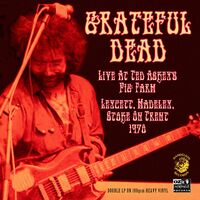
Live At Ted Askey's Pig Farm 1970
Grateful Dead

Petals For Armor
Hayley Williams
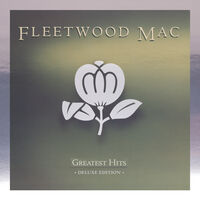
Greatest Hits - Deluxe Edition
Fleetwood Mac

Sound Signal Serenades
Son Volt
Growth
Olivia Dean
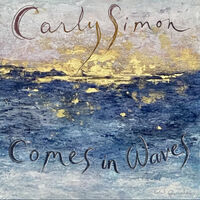
Comes In Waves
Carly Simon